Based on reporting by kumparan and Hukumonline, 28 October 2026.
This page is a summary written by AZ. The full reports are on kumparan and Hukumonline.
Read on kumparan (opens in a new tab)Read on Hukumonline (opens in a new tab)
In this article · 4 points
Yang perlu kita dalami adalah apakah ada bukti yang mendukung alasan untuk melakukan pemblokiran dan penyitaan itu?
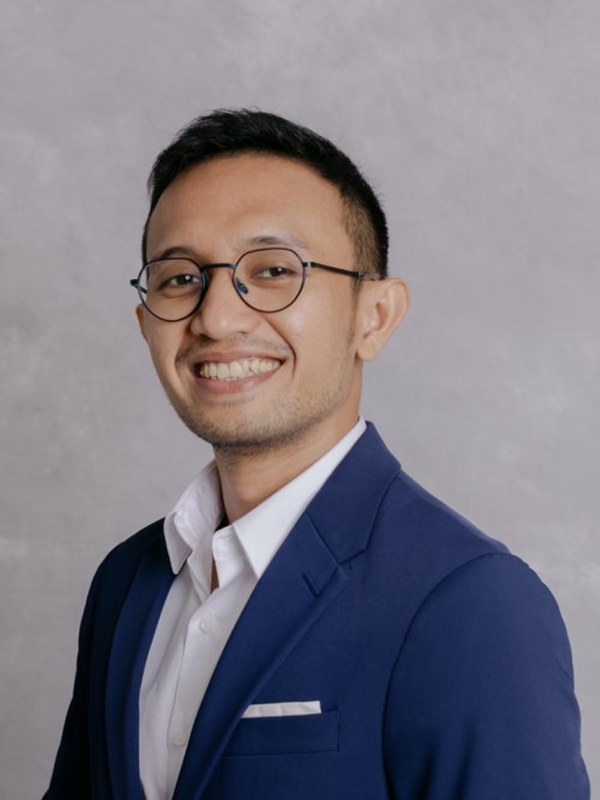
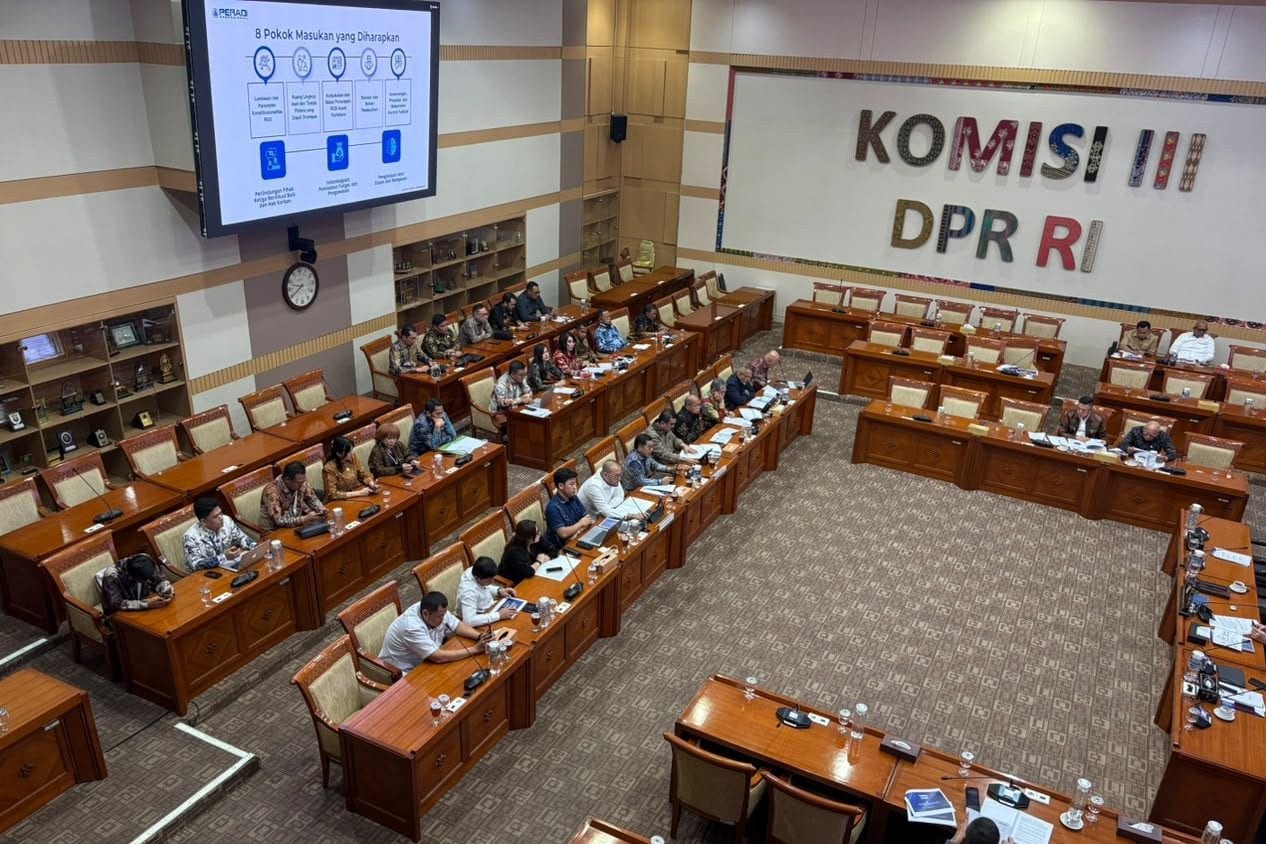
On Wednesday 28 October 2026 the National Board of the Indonesian Advocates Association (DPN Peradi) gave its input on the Asset Forfeiture Bill (RUU Perampasan Aset) at a public hearing with Commission III of the House of Representatives. Ichsan Zikry, Managing Partner of AZ and a member of Peradi's standing committee on criminal law, spoke for Peradi alongside its chair, Ahmad Fikri Assegaf, and vice chair, Fredrik Jacob Pinakunary.
01
A clear standard of proof
Ichsan said the bill needs a clear standard for deciding whether an asset comes from a crime. It need not be as high as "beyond reasonable doubt" in a criminal trial, but the offence should be proven at least on the balance of probabilities. Forfeiture should not become a shortcut for cases that would be too weak to win in a criminal court.
02
Court control of freezing and seizure
Before freezing or seizing an asset, investigators should explain how it is linked to an offence and show the evidence for that link. The court can then check the substance of the request, not only its formal requirements. Ichsan noted that this matters beyond the individual owner: freezing and seizure affect investment security and the businesses involved.
03
Guidance for judges
The bill should tell judges how to decide forfeiture requests. If investigators and prosecutors cannot give a sufficient basis that an asset came from a crime, the request should be declared inadmissible. The bill should also set objective indicators before forfeiture proceeds against an owner who has fled, such as whether investigators actually tried to find them.
04
Protecting good-faith third parties
Asked by Commission III member Soedeson Tandra about assets that have passed to a third party, Ichsan proposed measurable tests of good faith: the validity of the title, whether the price was fair, the care the buyer took, and what the buyer knew about the asset's link to a crime.